
Tsvety
A new voice in the guild.
This scribe hasn't written their bio yet.
The Archives
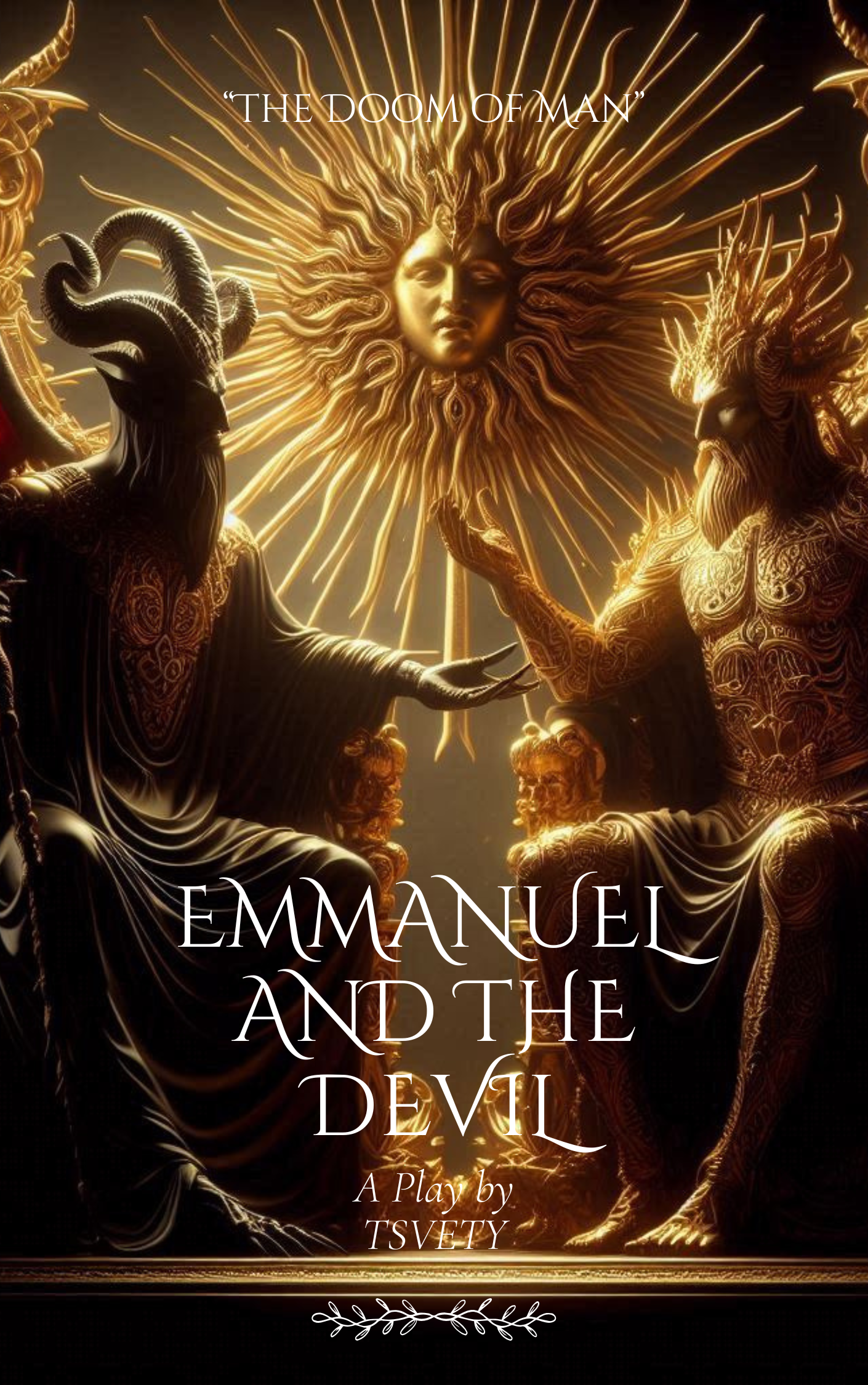
In the grand tradition of Goethe's Faust and Dostoevsky's existential dialogues, Emmanuel and the Devil takes the reader on a profound journey into the most challenging corners of human existence. The play opens in a world on the precipice of catastrophic change, as Emmanuel—an enigmatic and fiercely determined character—sets into motion a plan that ultimately annihilates humanity and extinguishes all life on Earth. In the aftermath, only the Devil remains, left to wander a desolate and lifeless world.
Find this tome →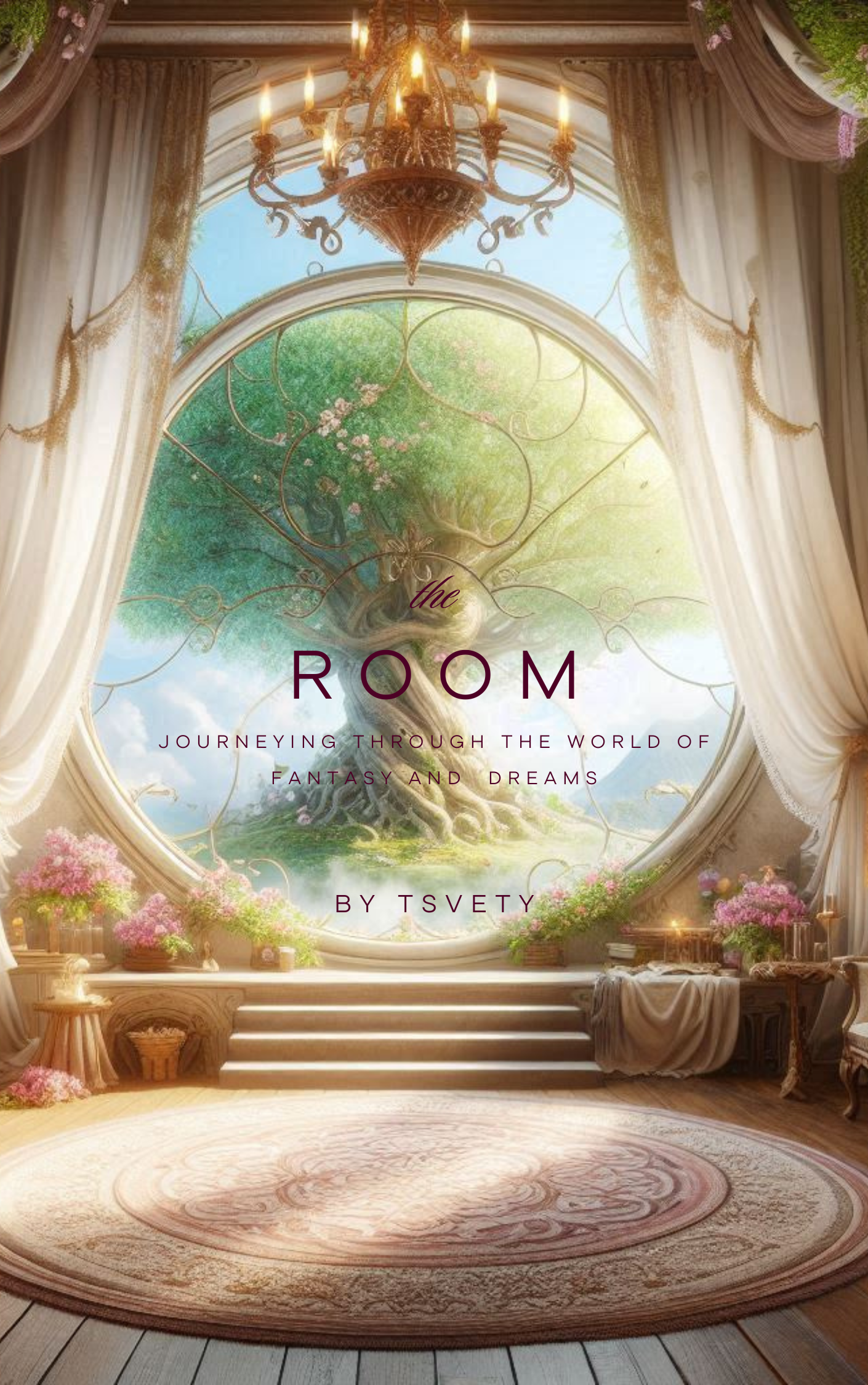
In The Room, a mesmerizing tale that blurs the lines between reality and fantasy, Thea and Jan embark on an extraordinary journey that challenges their perceptions of existence, truth, and self-awareness. Through shifting landscapes—both internal and external—they navigate a world where the boundaries between the real and the imagined dissolve, leading them to profound revelations about life's ultimate questions. As they traverse enigmatic realms and encounter forces beyond comprehension, Thea and Jan come to understand that the most significant truths are often hidden in the depths of the human soul. What is truly important in life? What defines reality? And how does one find meaning in a universe full of uncertainties? Beautifully written and deeply thought-provoking, The Room invites readers into a transformative adventure—one that mirrors the eternal quest for wisdom, purpose, and self-realization. Step into The Room and discover the journey that awaits within.
Find this tome →Presentations
Readings, workshops, walkthroughs
 ▶
▶Religion of the Future
The podcast introduces a philosophical framework for a "Religion of the Future" that moves away from traditional external deities toward an immanent, structural spirituality. It argues that meaning is not handed down by a supernatural creator but emerges naturally from the fundamental laws and relational complexities of the universe. By exploring concepts like emergence and systemic coherence, the author suggests that the "sacred" can be found within the intelligible fabric of reality itself. Human beings are presented not as the center of the cosmos, but as conscious participants responsible for maintaining order and ethics in a fragile world. Ultimately, the work redefines God as an apex of integration and a horizon for human orientation rather than an external ruler. This perspective seeks to reconcile scientific knowledge with the human need for transcendence and purpose.
Recommended by Tsvety
Tomes from fellow Scribes worth reading
At the Long Table
Discussions Tsvety is currently taking part in